Orthopedic Conditions & Chronic Pain
What Other Practices Miss
Many clinics rely heavily on imaging such as X-rays, MRIs, or ultrasounds. While helpful, these tools often miss key contributors to chronic pain, including:
- Subclinical inflammation not visible on imaging.
- Fascial or nervous system tension felt only through skilled palpation.
- Spinal cord and cranial dysfunctions that refer pain elsewhere.
- Immune or emotional contributors to orthopedic symptoms.
- Post-injury and post-surgical inflammation that remains unresolved long after initial healing.
Most practices focus only on localized areas of pain—the joint, muscle, or tendon itself—without examining the entire kinetic chain, immune system, or neurological contributors.
Direct techniques like chiropractic manipulation or massage may provide temporary relief but often fail to resolve the underlying inflammatory drivers, and can even worsen pain if applied too aggressively or out of context.
At True Resilience IMS, we take a comprehensive root-cause approach, identifying where inflammation is trapped in the body, how it affects function, and what is preventing tissue repair.
Orthopedic & Musculoskeletal Conditions Treated
We treat a wide range of Orthopedic pain conditions that aren’t always addressed by conventional medicine, including but not limited to:
Spine & Back
- Chronic low back pain
- Sciatica
- Piriformis syndrome
- Degenerative disc disease
- Spinal stenosis (mild to moderate)
- Thoracic outlet syndrome
- Post-laminectomy syndrome (Failed Back Surgery Syndrome)
- Sacroiliac (SI) joint dysfunction
- Spondylolisthesis (mild cases)
- Cervical disc herniation
- Chronic whiplash syndrome
Shoulder
- Rotator cuff tears (partial)
- Frozen shoulder (adhesive capsulitis)
- Impingement syndrome
- Biceps tendinopathy
- AC joint dysfunction
- Shoulder instability or subluxation
- Labral tears (non-surgical candidates)
- Post-surgical shoulder pain or stiffness
Neck
- Chronic neck pain or stiffness
- Cervicogenic headaches
- Post-concussive cervical strain
- Upper cervical instability
- Postural dysfunctions causing neck pain
Elbow & Wrist
- Tennis elbow (lateral epicondylitis)
- Golfer’s elbow (medial epicondylitis)
- Ulnar nerve entrapment
- Carpal tunnel syndrome (early to moderate cases)
- Wrist tendonitis
- De Quervain’s tenosynovitis
- Chronic sprains or post-fracture dysfunction
Hip & Pelvis
- Greater trochanteric pain syndrome
- Hip labral tears (non-surgical management)
- Gluteal tendinopathy
- Snapping hip syndrome
- Femoroacetabular impingement (FAI)
- Ischial bursitis
- Pelvic floor tension syndromes
- Pubic symphysis dysfunction
- SI joint inflammation
Knee
- Patellofemoral pain syndrome
- Meniscus tears (non-surgical candidates)
- Knee osteoarthritis (early to moderate)
- Osgood-Schlatter disease
- Patellar tendonitis
- Iliotibial (IT) band syndrome
- Baker’s cyst (inflammatory contributors)
- Recurrent knee instability (ligament laxity)
- Quadriceps and hamstring tendinopathies
Ankle & Foot
- Chronic ankle instability
- Plantar fasciitis (acute and chronic)
- Achilles tendonitis or tendinosis
- Tarsal tunnel syndrome
- Morton’s neuroma
- Peroneal tendon dysfunction
- Post-surgical ankle stiffness or pain
- Hallux limitus/rigidus (functional correction)
- Flat feet or collapsed arches due to fascial imbalance
Generalized & Systemic Musculoskeletal Conditions
- Hypermobility spectrum disorder (HSD)
- Ehlers-Danlos Syndrome (EDS, non-vascular types)
- Myofascial pain syndrome
- Fibromyalgia (mechanical and inflammatory contributors)
- Widespread joint laxity with repeated injuries
- Unexplained chronic pain with no imaging findings
- Chronic pain post-COVID or after viral illness
- Lyme-related joint pain
- Pain syndromes related to mold or toxin exposure
- Postural dysfunction with multiple joint complaints
Post-Surgical Pain & Rehab Support
- Shoulder, knee, or hip post-op stiffness
- Failed rotator cuff repair recovery
- ACL/MCL post-op dysfunction
- Lumbar or cervical fusion residual pain
- Hardware-related pain (fascial involvement)
- Scar tissue adhesions (including C-section or orthopedic scars
How Inflammation Plays a Role
Inflammation is a key contributor to nearly all orthopedic conditions. It affects tissues in the following ways:
- Bone inflammation can limit range of motion and impair proprioception.
- Inflamed arteries or veins can lead to vascular congestion and poor oxygenation of tissues.
- Myofascial chain dysfunction caused by inflammatory entrapment leads to altered posture, gait, and compensatory pain.
- Chronic immune activation or autoimmune patterns can repeatedly damage joint and connective tissue.
- Post-surgical or post-injury inflammation can linger for months or years, causing persistent dysfunction.
What We Do to Help
Fascial Counterstrain
- Drains inflammation from joints, bones, blood vessels, spinal cord, and more.
- Corrects reflex tension patterns affecting musculoskeletal performance.
- Can resolve symptoms originating far from the site of pain (e.g., spinal cord or cranial tension causing shoulder or knee pain).
Low-Level Laser Therapy (LLLT) – Erchonia FX-405
- Uses 635nm red and 405nm violet light to reduce inflammation and accelerate cellular repair.
- Enhances mitochondrial function to speed healing in tendons, ligaments, and joints.
- Non-invasive and pain-free.
Low Dose Immunotherapy (LDI)
- Helps retrain the immune system to stop overreacting to joint tissue, pathogens, or environmental toxins.
- Particularly useful in autoimmune-related joint pain or unresolved inflammation post-infection.
Neuro-Emotional Technique (NET)
- Identifies and addresses emotional stress stored in the nervous system that contributes to pain and dysfunction.
- Can help uncover hidden contributors to chronic musculoskeletal pain.
Prolotherapy
- Injections of dextrose or saline stimulate controlled inflammation to activate tissue repair.
- Promotes growth factor release and strengthens tendons, ligaments, and cartilage.
- Often used for:
- Osteoarthritis
- Chronic sprains or strains
- Tendinopathies
- Degenerative disc disease
- Usually requires multiple sessions and is best combined with supportive therapies like laser and strain correction.
Prolozone & PRP (Platelet-Rich Plasma)
- Prolozone combines ozone and nutrients to reduce pain and enhance oxygenation at the injury site.
- PRP uses the patient’s own platelets to stimulate regeneration and reduce inflammation.
- Effective for:
Biofeedback & Muscle Testing
- Identifies precise tissues, joints, or systems that are dysfunctional.
- Detects subtle immune and inflammatory triggers that traditional diagnostics miss.
- Ensures each intervention is customized for optimal efficacy.
Pertinent History We Ask About
- History of joint trauma or sports injury
- Dental or jaw infections (impacting cranial or spinal function)
- Concussions or traumatic brain injuries
- Surgeries (orthopedic or otherwise)
- Long-standing immune issues or autoimmune diagnoses
- Failed physical therapy or chiropractic treatment
- Vascular dysfunction or circulatory complaints
- History of chronic inflammation or mold/chemical exposure
Average Time to Improvement
- Simple injuries (e.g., ankle sprain, plantar fasciitis): 2–3 sessions
- Moderate pain (e.g., frozen shoulder, chronic neck/back): 6–8 sessions
- Complex/widespread pain or post-surgical dysfunction: 10–12+ sessions (over 3+ months)
Healing is individualized—factors like inflammation depth, immune dysregulation, emotional trauma, or structural compensations can all affect outcomes and timelines.
Testimonial Videos
Real Stories, Real Healing
Hear from patients who turned their health around through the True Resilience approach.
Comprehensive Support for Your Healing Journey
The Tools We Use When Building Treatment Plans Include:
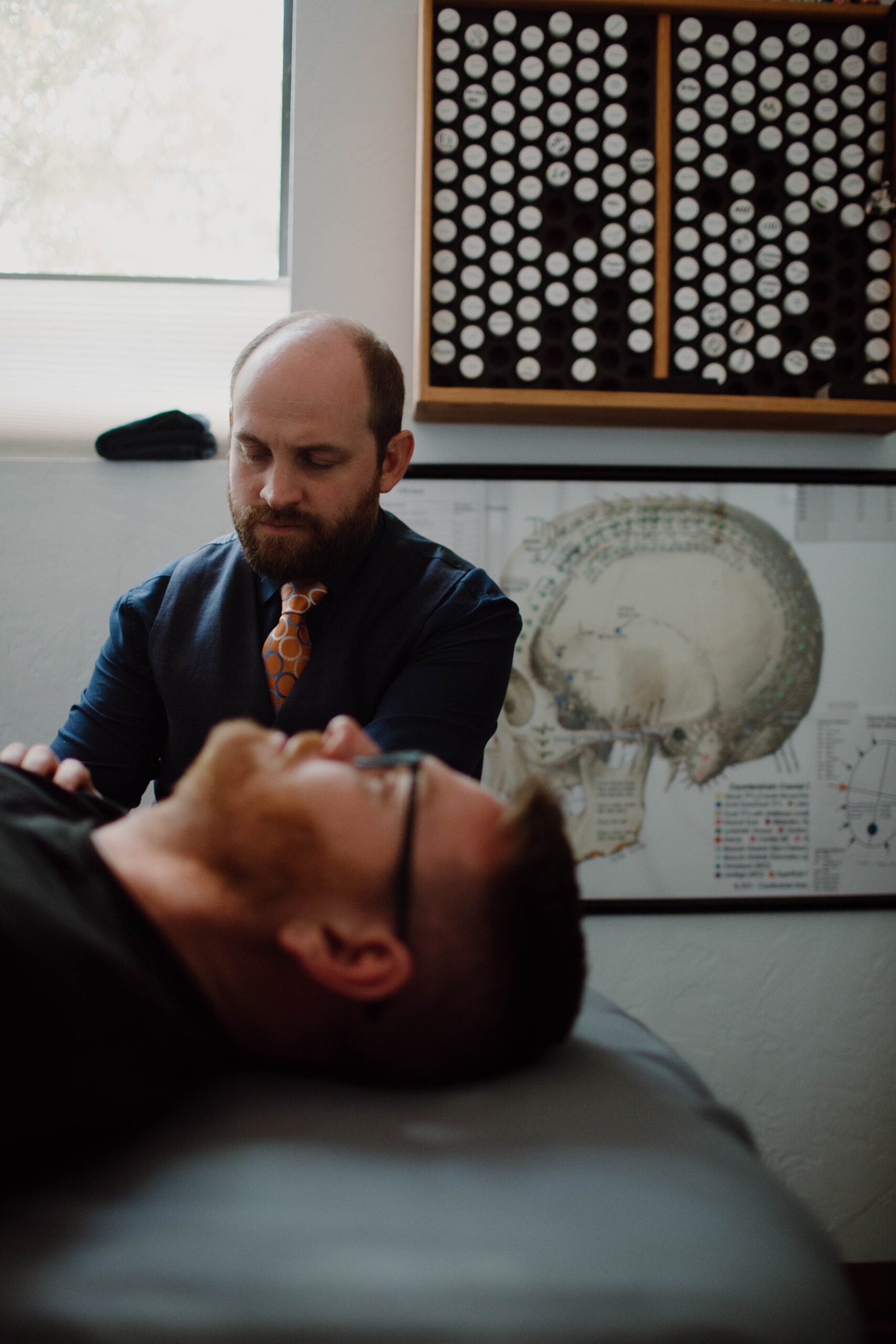
Fascial Counterstrain
Identify and drain trapped inflammation, wherever it’s stuck — also known as clearing the body’s memory of inflammatory events.
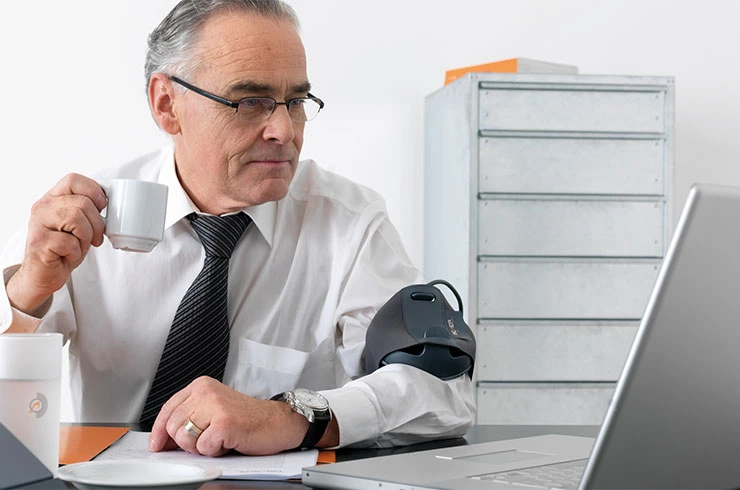
Bemer
Enhances blood flow, improving performance, and reducing stress.
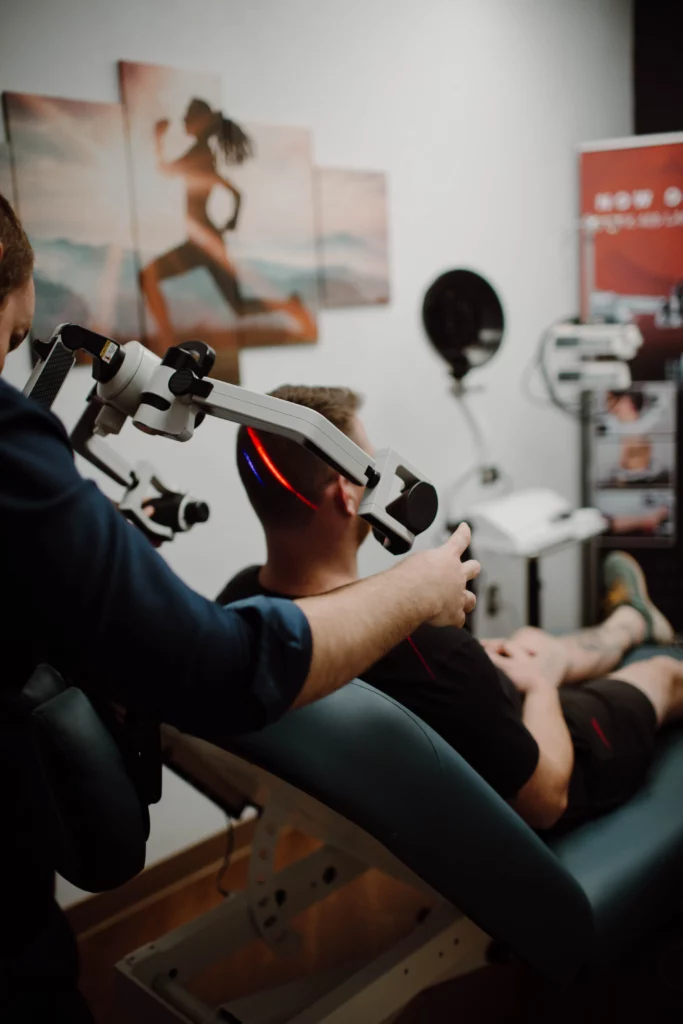
Laser Therapy
Laser therapy improves cellular energy production, reduces inflammation, and reduces pain.
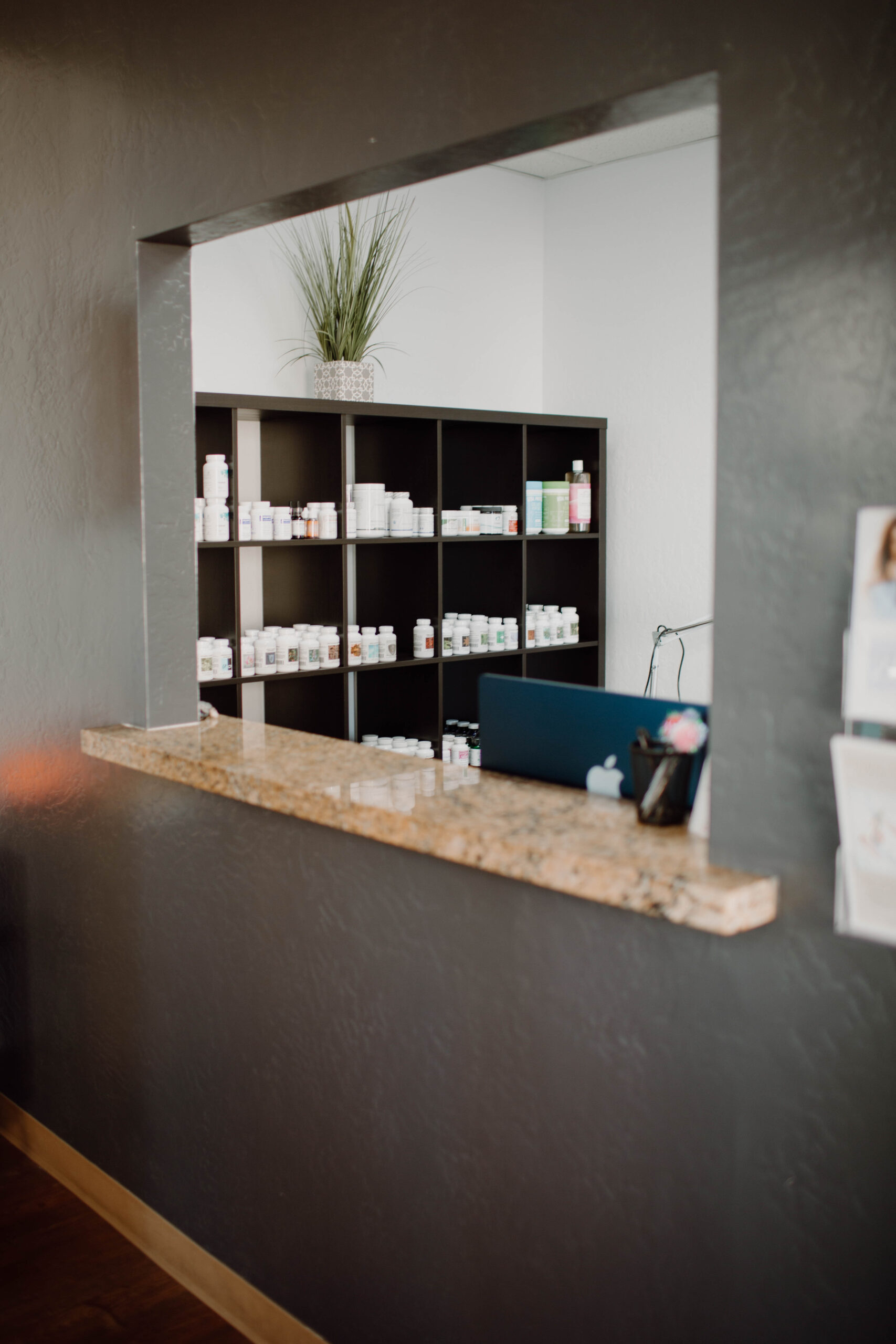
Clinical Nutrition & Herbs
Using the Lebowitz and Wholistic Methylation Protocols, we find dysbiosis, chemical toxicity, and nutrient deficiencies and put together a customized supplement/herbal protocol to bring biochemical balance.
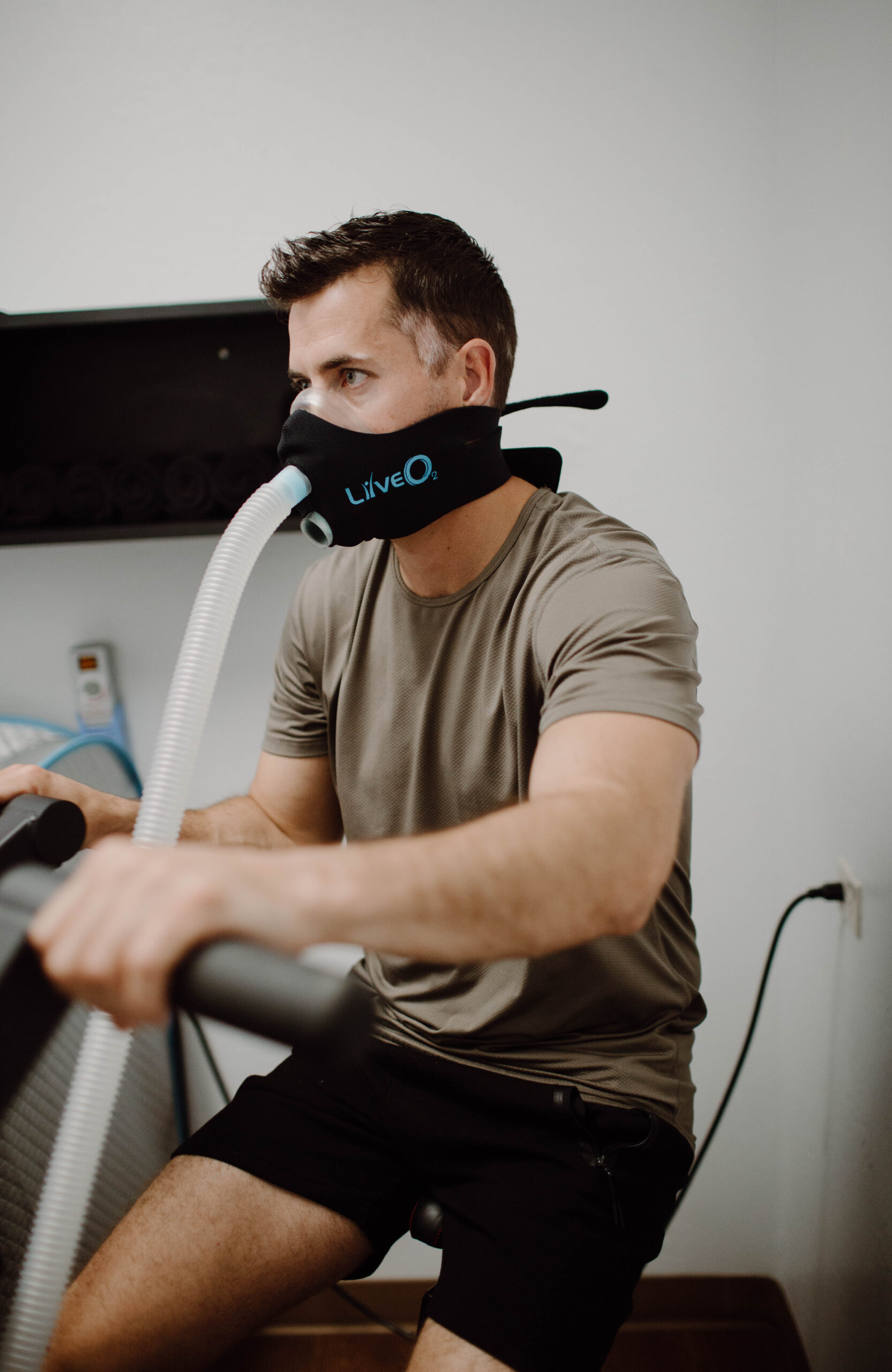
Exercise with Oxygen Therapy (with Adaptive Contrast)
LiveO2 is an adaptive oxygen training system that boosts circulation, cellular energy, and detoxification by alternating between high and low oxygen levels during exercise. The effects are similar to Hyperbaric oxygen therapy, but more profound and longer lasting.

Vibroacoustic Therapy with BrainTap
Gently reset your autonomic nervous system using low-frequency sound waves along with audio and visuals to amplify interoception and create an interactive flow state.
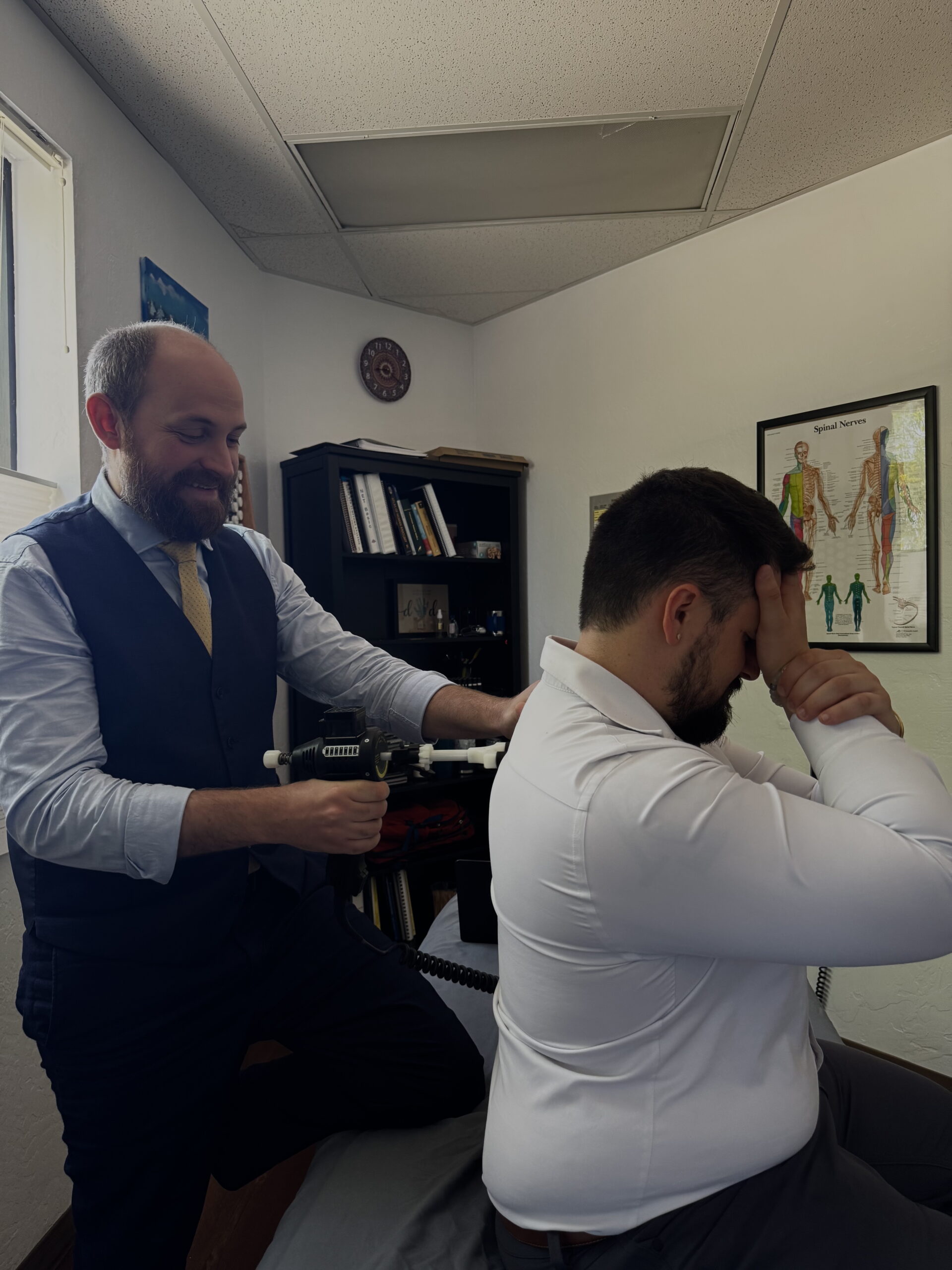
Neuro-Emotional Technique (NET)
Separate environmental triggers from their automatic emotional responses to regulate the autonomic nervous system and get rid of stress related obstacles to healing.

Regenerative Injection Therapy
Accelerate healing of joints, ligaments, and chronic injuries using prolozone, neural therapy, and PRP.
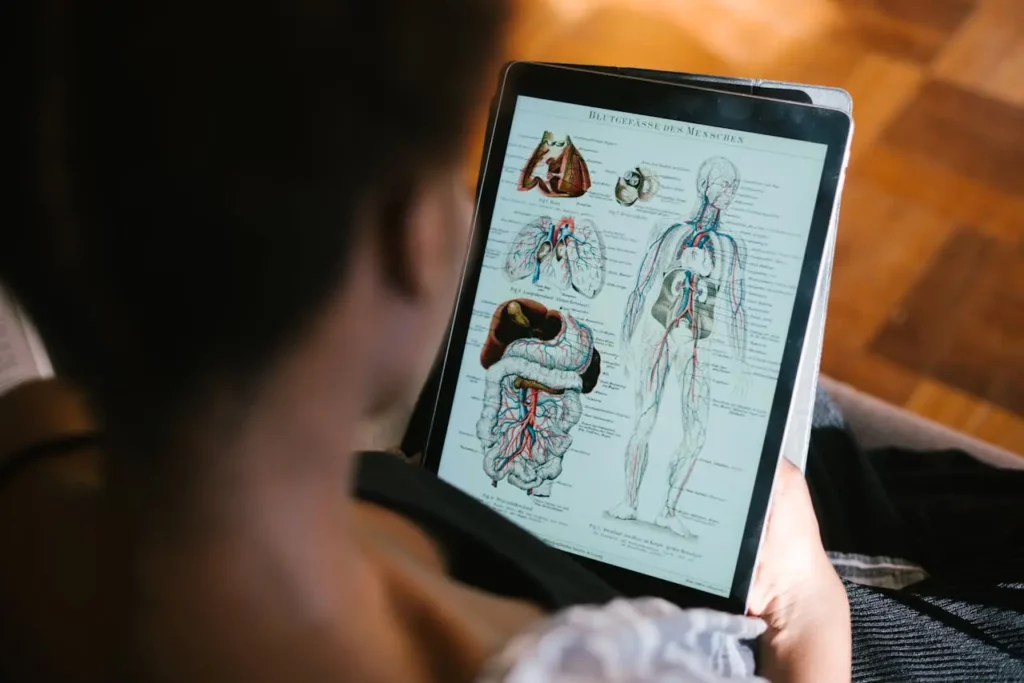
Low Dose Immunotherapy (LDI)
Retrain your immune system to stop overreacting to foods, pollens, chemicals, and microbes — drug-free.
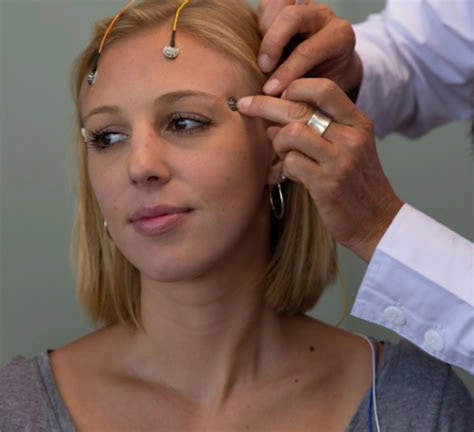
Microcurrent Neurofeedback
A gentle, non-invasive therapy that uses tiny electrical signals to help the brain and body reset.
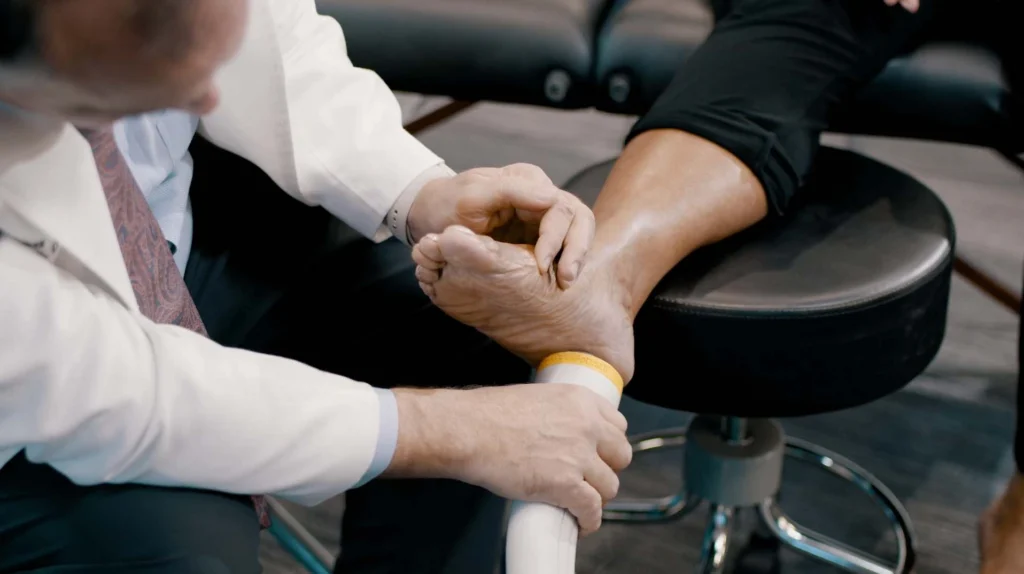
SoftWave TRT
A non-invasive treatment that uses gentle shockwaves to target injured, painful, or weakened areas in order to help your body heal naturally.