
A Novel Approach to Migraines: Beyond Symptom Relief to Root Cause Healing
Migraines are not just “bad headaches.” They are complex neurological, structural, and systemic events that impact people in dramatically different ways. Whether yours come with nausea, visual auras, pounding pain, or deep fatigue, one truth remains: migraines are multifactorial—and so is our approach.
At our clinic, we believe that no two migraines are the same, and no single treatment works for everyone. While many conventional approaches focus on quick fixes or symptomatic relief, our naturopathic care is root-cause oriented. We dig deeper to understand what’s happening in your body—so we can help you experience long-term relief, not just temporary suppression.
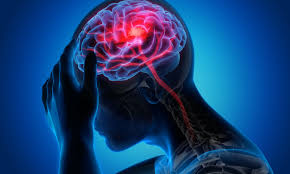
Migraines Are Complex—And So Is the Solution
Migraine symptoms may be influenced by:
- Stress and emotional strain
- Hormonal fluctuations
- Previous head trauma or concussions
- Nervous system overactivation
- Gut-brain imbalances and inflammation
- Food intolerances or metabolic reactivity
- Environmental exposures and immune triggers
- Sleep dysregulation
- Structural or fascial dysfunctions—even in areas far from the head
While healthy habits like staying hydrated, avoiding skipped meals, and managing stress are always helpful, they are often not enough. Migraines are rarely caused by a single factor. That’s why our care is designed to uncover and treat the entire web of contributing issues.
Structural & Neurological Drivers of Migraines
Many people are aware that dysfunctions in the upper neck, especially around the C1 vertebra and associated muscles (suboccipitals, SCM, upper traps), can contribute to migraines and other headache patterns. But the truth is more complex—and more hopeful.
Any Part of the Body Can Contribute
Because the body is deeply interconnected through myofascial chains, vascular systems, and nerve pathways, even distant areas—like the foot, diaphragm, or pelvis—can contribute to migraines through mechanical tension, inflammation, or neurological feedback loops.
That’s why we don’t just treat the head and neck—we evaluate your entire system to understand how distant dysfunctions may be influencing your migraine patterns. Whether it’s a fascial restriction in the rib cage , an issue in the metatarsals or a structural imbalance in the pelvis, we leave no stone unturned. This is all done through fascial coutnerstrain.
The Spinal Trigeminal Nucleus: A Hidden Driver of Head Pain
The spinal trigeminal nucleus might sound like a complicated term, but it’s simply a bundle of nervous tissue in your brainstem that processes pain, touch, and temperature from your face, jaw, skull, and upper neck (C1–C3).
When irritated—whether by tension, inflammation, or structural strain—it can create an amplified pain loop and contribute directly to migraines, facial pain, or jaw tightness.
Activation of this neural hub can be triggered by:
- Dysfunction in the upper cervical spine
- Cranial and TMJ imbalances
- Sinus or ear issues
- Vascular or ligament tension
- Inflammatory signals from other body systems
- And more!
By identifying and addressing the specific tissues or systems overstimulating this structure through fascial counterstain we can help break the cycle of recurring migraines.
The Brain-Gut Connection & Food Intolerances
More Than Just Biogenic Amines
While some migraines are triggered by biogenic or vasoactive amines (like histamine, tyramine, or octopamine found in aged cheese, wine, cured meats, and fermented foods), many others stem from gut inflammation, immune reactivity, or leaky gut syndrome. These conditions increase systemic sensitivity, causing widespread food intolerances that contribute to migraines.
Our Evaluation Includes:
- Biofeedback-based testing, which helps us identify food intolerances and nutrient needs based on your body’s real-time physiological responses.
- Low Dose Immunotherapy (LDI), which we use to calm inappropriate immune responses to foods or environmental allergens and build long-term tolerance.
- Identification and treatment of gut inflammation, dysbiosis, and leaky gut, which can all contribute to systemic reactivity and migraine flares.
Nutritional Support & Functional Medicine
Our approach is never about guessing. We test and identify which nutrients, botanicals, and detox strategies your body needs to function optimally. Some of the most effective well known migraine-related supports include:
Nutrients:
- Riboflavin (B2) – 400 mg/day; supports mitochondrial function
- Magnesium – 250–600 mg/day orally
- CoQ10 – 100–300 mg/day; supports energy production
- Melatonin – 3 mg at night; especially helpful for migraines with sleep disturbance
- Alpha-lipoic acid, Vitamin D, B-complex – Tailored based on lab testing
- Ginger, Butterbur, Feverfew – For both prevention and acute management
However, we use biofeedback testing to match you with the most effective botanicals and supplements to support detoxification, mitochondrial health, hormonal balance, and more.
Our Core Natural Therapies
We utilize a wide array of evidence-informed natural therapies to support healing and migraine relief from multiple angles:
Low-Level Laser Therapy (LLLT)
LLLT, or cold laser therapy, uses gentle light energy to stimulate cellular repair and reduce inflammation. It helps calm overactive nerves, reduce muscular tension, improve circulation, and support tissue healing—especially in areas affected by chronic pain or inflammation.
Exercise with Oxygen Therapy (EWOT)
EWOT involves light aerobic movement while cycling between breathing high-concentration oxygen to low concentration oxygen. This improves tissue oxygenation, supports detoxification, enhances mitochondrial function, and boosts circulation. It’s especially beneficial for patients dealing with fatigue, brain fog, or systemic inflammation often seen with chronic migraine patterns.
Nervous System Assessment & Regulation
Many migraine patients live in a state of chronic nervous system overactivation. We assess your nervous system using heart rate variability (HRV), postural reflexes, and biofeedback tools, and we implement strategies to regulate and calm the autonomic nervous system, such as:
- Biofeedback and neurofeedback
- Targeted breathwork and stress retraining
- Cranial and autonomic rebalancing techniques including fascial coutnerstrain
A Personalized Path to Relief
Your migraines are unique—and so is our approach. Whether the trigger lies in your nervous system, gut, hormones, immune function, or somewhere else entirely, we look at your whole body, your whole story, and your specific patterns to create a comprehensive treatment plan.
We don’t stop at “normal labs” or “common causes.” Instead, we keep asking, What’s driving this in you?
Ready to find answers instead of just coping?
Schedule your comprehensive migraine assessment today.
Let’s find the root—and begin your path to real relief.