Autoimmune / Allergy
What Other Practices Miss
- Over-reliance on labs: Many clinics focus on urine or blood testing for environmental triggers of autoimmune conditions. These tests can flag exposures but often don’t correlate directly with clinical symptoms or therapeutic needs.
- Misinterpretation of microbial tests: Some organisms flagged in stool or blood tests may not actually be causing harm and may even be beneficial or simply commensal. This leads to over-treatment or misdirected care.
- Neglect of nervous system dysfunction: Most providers ignore how autonomic dysregulation, especially excessive sympathetic activation and vagus nerve suppression, contributes to autoimmunity.
- Limited allergy therapy: Conventional allergy care often only includes avoidance or antihistamines. They do not attempt to train the immune system for tolerance (as with LDI).
- Missed inflammatory load in nerves, lymphatics, or fascia: Very few clinicians assess for residual inflammation in the nerves or tissue which perpetuates symptoms, even when blood markers are “normal.”
Conditions Treated
- Hashimoto’s thyroiditis
- Graves’ disease
- Rheumatoid arthritis
- Crohn’s disease
- Ulcerative colitis
- Psoriasis
- Eczema
- Systemic lupus erythematosus (SLE)
- Celiac disease
- Ankylosing spondylitis
- Asthma
- Mast cell activation syndrome (MCAS)
- Seasonal and environmental allergies
- Food allergies and intolerances
- Histamine intolerance
- Idiopathic urticaria
- Autoimmune joint pain or fatigue

How Inflammation Plays a Role (Structures Affected)
- Vagus nerve dysfunction: Chronic inflammation around the vagus nerve can diminish. parasympathetic input, worsening immune surveillance and tolerance.
- Sympathetic chain overactivity: Trapped inflammation around the thoracic spine or stellate ganglia can trigger overactivation of stress response pathways.
- GI tract & mesentery: Chronic inflammation in the intestines, mesenteric fat, or gut lymphatics can drive systemic immune activation.
- Dural tension & neuroinflammation: Pulling or inflammation in the dura mater can impair brainstem regulation of immune signals.
- Lymphatic stagnation: Inflammatory debris can congest drainage pathways and prolong immune signaling
. - Sinuses, skin, lungs: Sites of allergic reaction often have chronic inflammatory deposits even when exposure has ceased.
What We Do to Help
- Biofeedback testing: Detects what is relevant to the patient’s immune system in real time — microbes, foods, toxins, etc.
- Targeted herb protocols: Custom botanicals are used to clear microbial burdens based on testing results, especially in gut-focused autoimmunity.
- Low Dose Immunotherapy (LDI): Teaches the immune system to tolerate foods, microbes, or environmental allergens using ultra-dilute antigens.
- Fascial Counterstrain (FCS): Reduces inflammation and mechanical strain on the vagus nerve, sympathetic chain, and lymphatics to reset immune balance.
- Homeopathy: Especially useful when emotional trauma or unresolved constitutional patterns underlie the disease process.
- Neuro-emotional techniques: Address emotional triggers or memory patterns tied to immune dysregulation.
- Gut-healing protocols: Use of antimicrobial herbs, binders, gut-specific nutrients, and liver support for detoxification and terrain restoration.
Pertinent Patient History to Explore
- Personal or family history of autoimmune disease
- Antibiotic or immunosuppressive drug history
- GI infections or food poisoning episodes
- Traumatic brain injury (TBI)
- History of mold or chemical exposure
- Long-term PPI (proton pump inhibitor) or NSAID use
- History of emotional trauma or PTSD
- Past surgeries, especially abdominal or orthopedic
- Multiple food sensitivities or seasonal allergies
- Symptoms exacerbated by stress or emotional triggers
Average Time to See Results
- Simple seasonal allergy cases: 2–6 weeks (1–3 sessions)
- Moderate autoimmune flare support: 6–12 weeks (3–6 sessions)
- Chronic autoimmunity + trauma + dysbiosis: 3–6 months (6–12 sessions or longer if LDI is involved)
Testimonial Videos
Real Stories, Real Healing
Hear from patients who turned their health around through the True Resilience approach.
Comprehensive Support for Your Healing Journey
The Tools We Use When Building Treatment Plans Include:
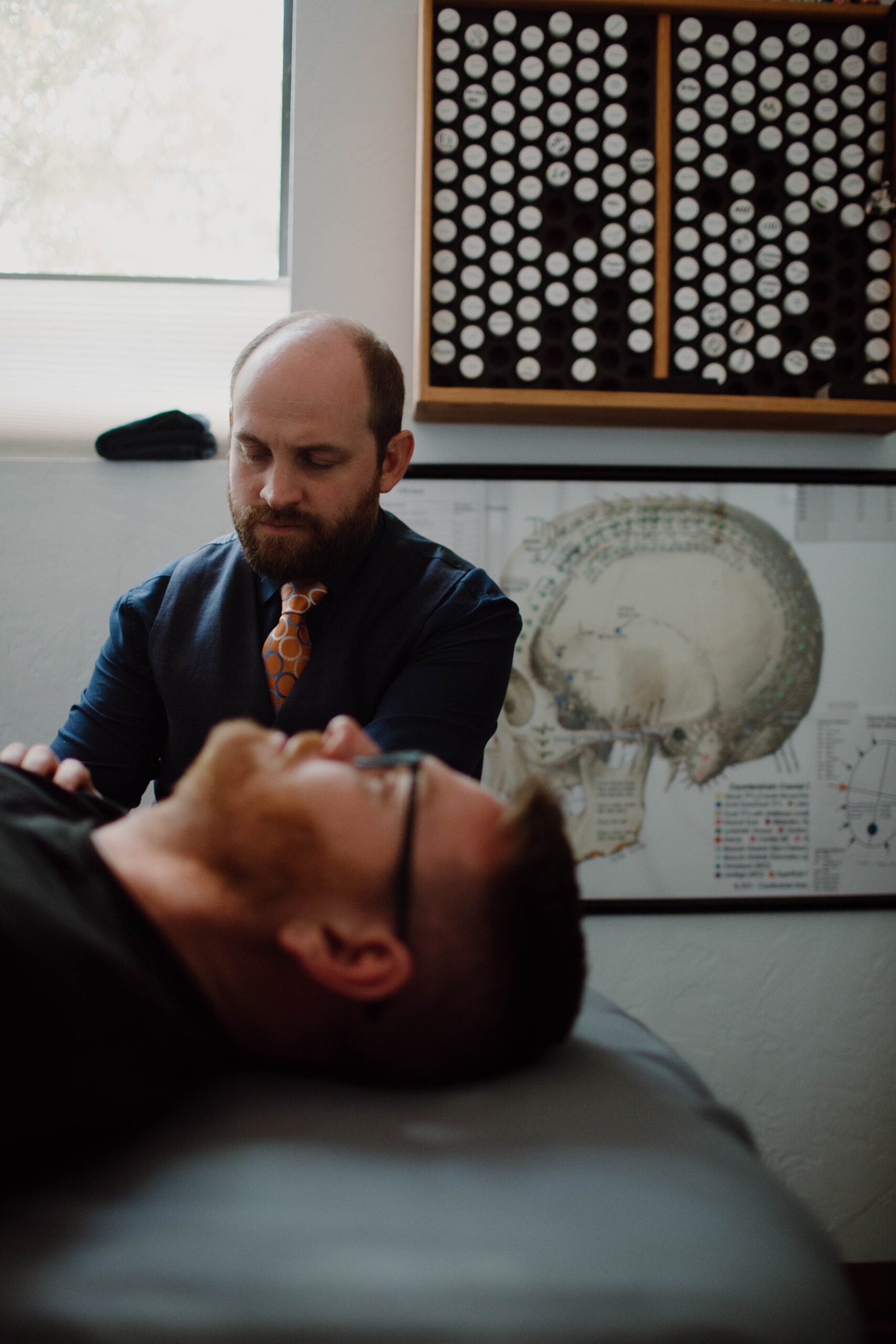
Fascial Counterstrain
Identify and drain trapped inflammation, wherever it’s stuck — also known as clearing the body’s memory of inflammatory events.

Bemer
Enhances blood flow, improving performance, and reducing stress.
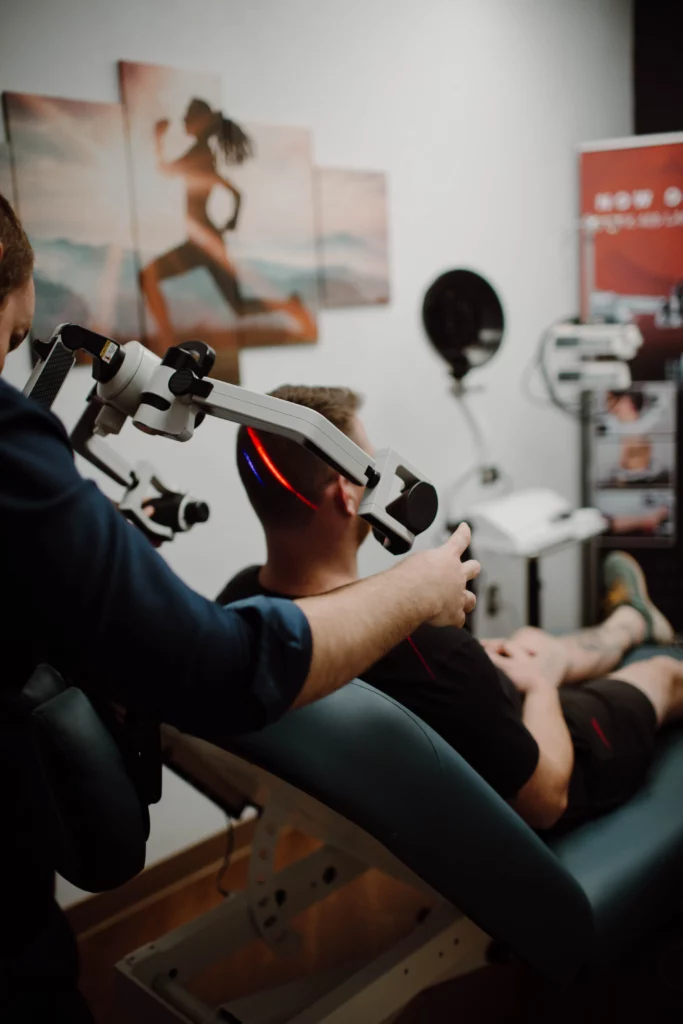
Laser Therapy
Laser therapy improves cellular energy production, reduces inflammation, and reduces pain.

Clinical Nutrition & Herbs
Using the Lebowitz and Wholistic Methylation Protocols, we find dysbiosis, chemical toxicity, and nutrient deficiencies and put together a customized supplement/herbal protocol to bring biochemical balance.
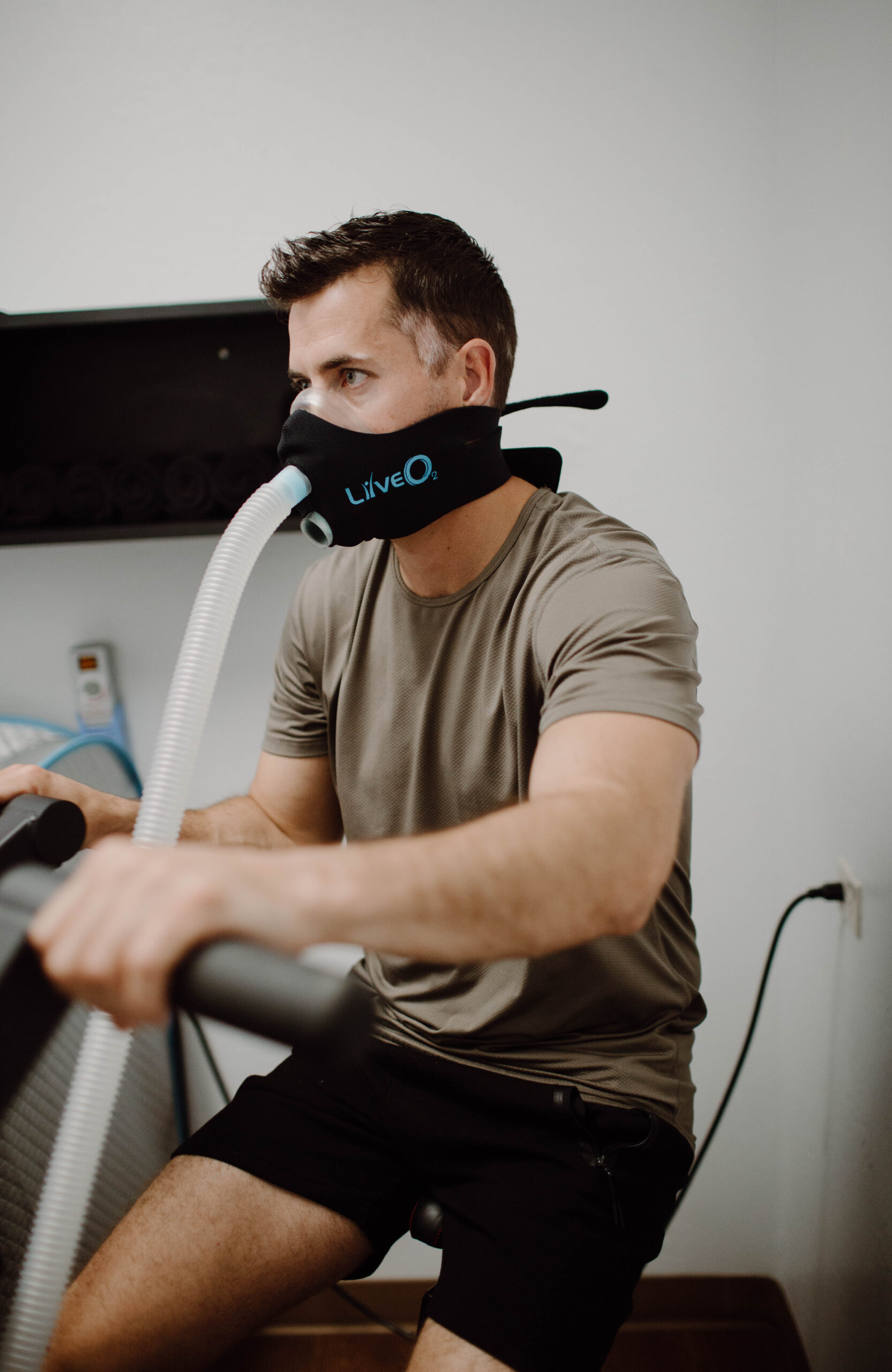
Exercise with Oxygen Therapy (with Adaptive Contrast)
LiveO2 is an adaptive oxygen training system that boosts circulation, cellular energy, and detoxification by alternating between high and low oxygen levels during exercise. The effects are similar to Hyperbaric oxygen therapy, but more profound and longer lasting.

Vibroacoustic Therapy with BrainTap
Gently reset your autonomic nervous system using low-frequency sound waves along with audio and visuals to amplify interoception and create an interactive flow state.
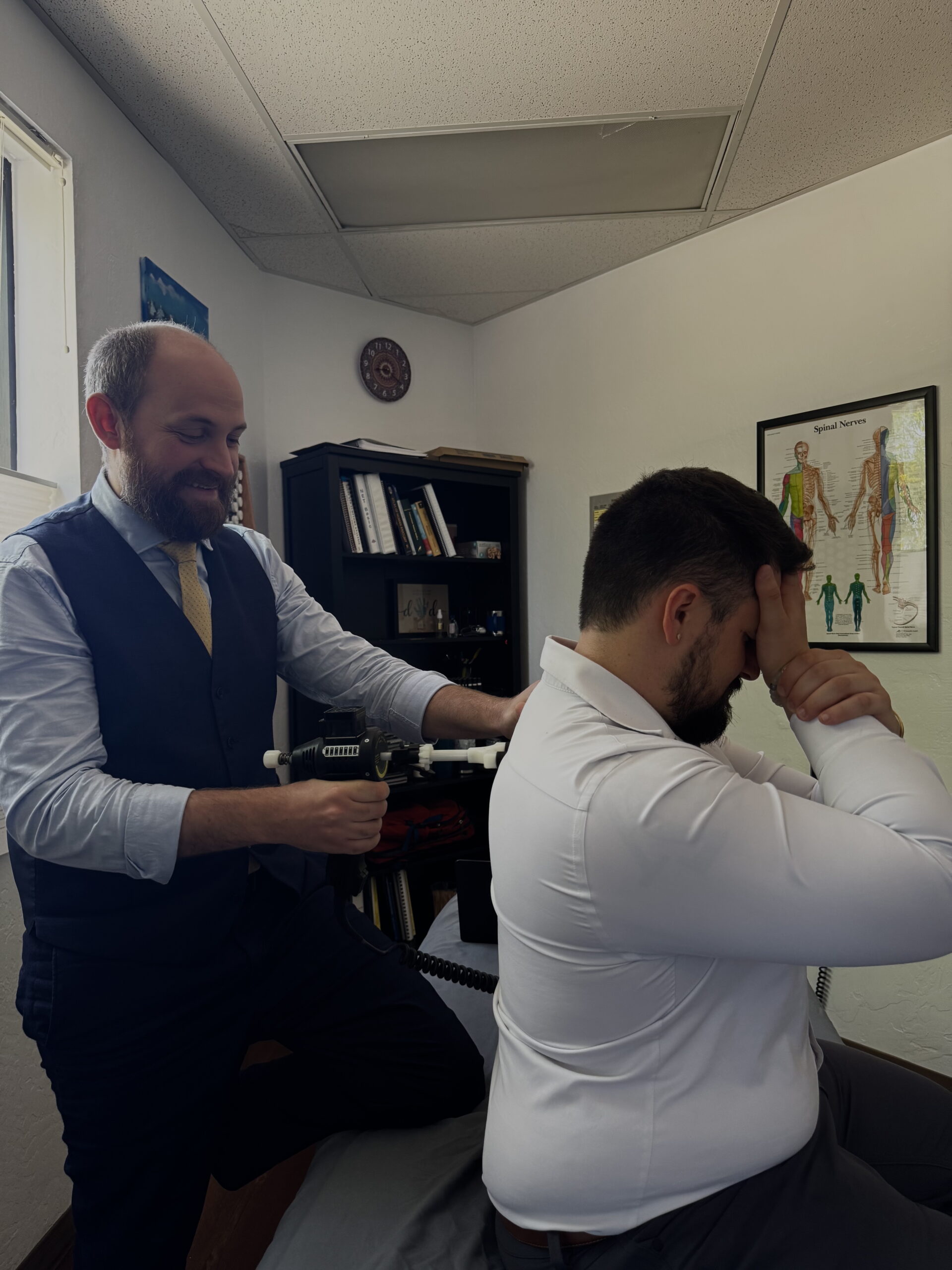
Neuro-Emotional Technique (NET)
Separate environmental triggers from their automatic emotional responses to regulate the autonomic nervous system and get rid of stress related obstacles to healing.

Regenerative Injection Therapy
Accelerate healing of joints, ligaments, and chronic injuries using prolozone, neural therapy, and PRP.
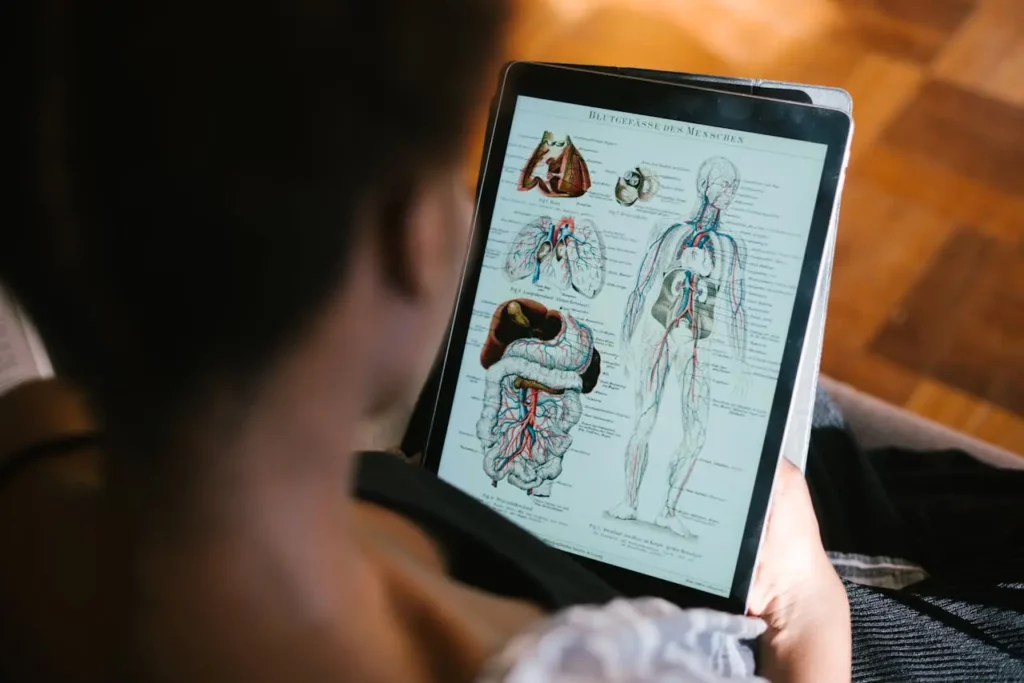
Low Dose Immunotherapy (LDI)
Retrain your immune system to stop overreacting to foods, pollens, chemicals, and microbes — drug-free.
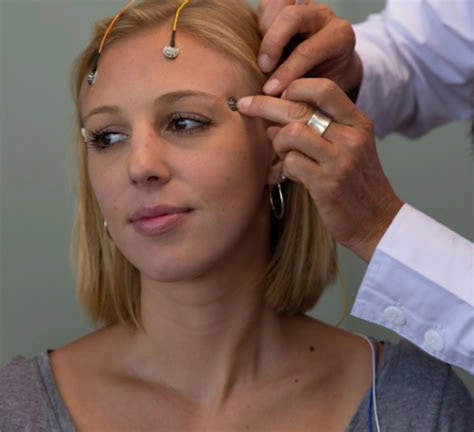
Microcurrent Neurofeedback
A gentle, non-invasive therapy that uses tiny electrical signals to help the brain and body reset.
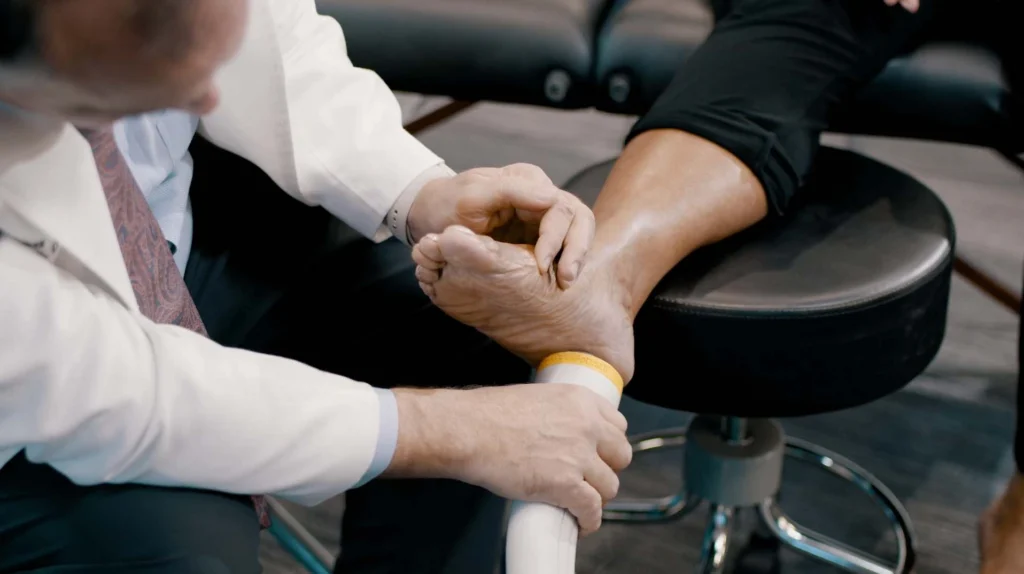
SoftWave TRT
A non-invasive treatment that uses gentle shockwaves to target injured, painful, or weakened areas in order to help your body heal naturally.