What to Expect with Fascial Counterstrain
Fascial Counterstrain is a system of diagnosis and treatment that helps us identify and manually drain inflammation that has become trapped within the body’s tissues. These areas can contribute to pain, stiffness, fatigue, neurological symptoms, organ dysfunction, and many other chronic health concerns.
While understanding your history is often helpful, we do not necessarily need to know what caused the inflammation in order to find it and help the body clear it. Treatment is guided by what the body is showing us today.
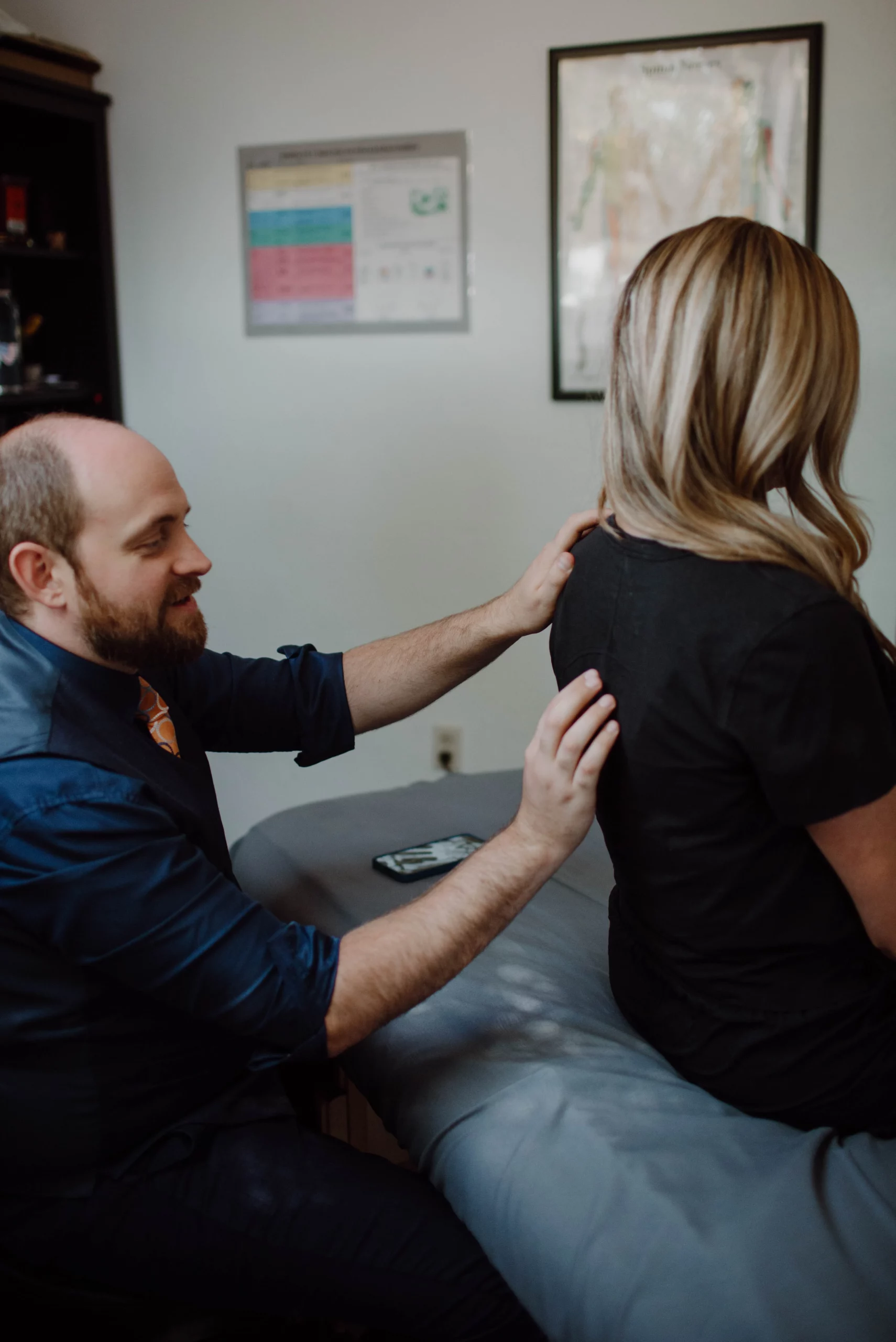
Using motion testing and specific tender points on the surface of the body, we identify the tissues involved and place the body into positions that help restore normal drainage and circulation. Treatment is gentle, precise, and often surprisingly subtle.
This is not the type of work that can be accomplished through a medication, supplement, or herb. Fascial Counterstrain is designed to help address the inflammatory effects that can remain long after injuries, infections, surgeries, emotional stress, repetitive strain, or toxic exposures have occurred.
Three Timelines for Healing
1. Inflammatory Drainage Window (24-48 Hours)
During the first one to two days after treatment, the body’s drainage systems are moving inflammatory material out of the tissues. Some patients experience mild soreness during this period that feels similar to post-exercise soreness (DOMS). This is temporary and generally resolves on its own.
If this soreness persists beyond a few days, it may indicate there are additional areas of inflammation that still need to be addressed.
2. Nervous System Integration Window (Several Days to One Week)
The nervous system continues adapting to treatment after you leave the office. This is especially true when working on the brain, spinal cord, or other central structures.
It is not uncommon for patients to notice additional improvements several days after treatment, even if they felt little change immediately afterward.
3. Tissue Healing Window (Weeks to Months)
Once inflammation has been drained from a tissue, blood flow and nutrient delivery can improve. The body then begins the process of repairing and rebuilding that tissue.
This healing process may take weeks or months, particularly when inflammation has been present for many years.
Try not to judge the success of the treatment solely by how you feel when you stand up from the table. Some patients improve immediately. Others notice their greatest improvements over the following days or weeks. Both responses can be completely normal.
Frequently Asked Questions
Will treatment hurt?
Most Fascial Counterstrain treatments are very gentle. While some tender points may be sensitive during the examination, treatment itself is typically comfortable.
What should I do (or not do) after treatment?
After treatment, the two most important things you can do are stay well hydrated and take a short 5-10 minute walk. These simple steps help support the body’s natural drainage processes and nervous system adaptation. There are no specific medical restrictions following Fascial Counterstrain treatment. However, we recommend avoiding maximal-effort lifting or unusually strenuous activity for the rest of the day, as this may make it harder for the nervous system to fully integrate the changes from treatment.
Why didn’t I feel different immediately?
Not all changes occur during the appointment. Some improvements become noticeable over the following days as the nervous system and tissues adapt to treatment.
How long do the results last?
The goal of treatment is to create lasting changes in the tissues being treated. However, new injuries, infections, inflammatory exposures, ongoing stressors, or untreated areas elsewhere in the body can contribute to future symptoms.
How many treatments will I need?
This depends on the complexity of your condition, how long it has been present, and how many body systems are involved. Some patients experience significant improvement after only a few visits, while more complex cases require additional care.